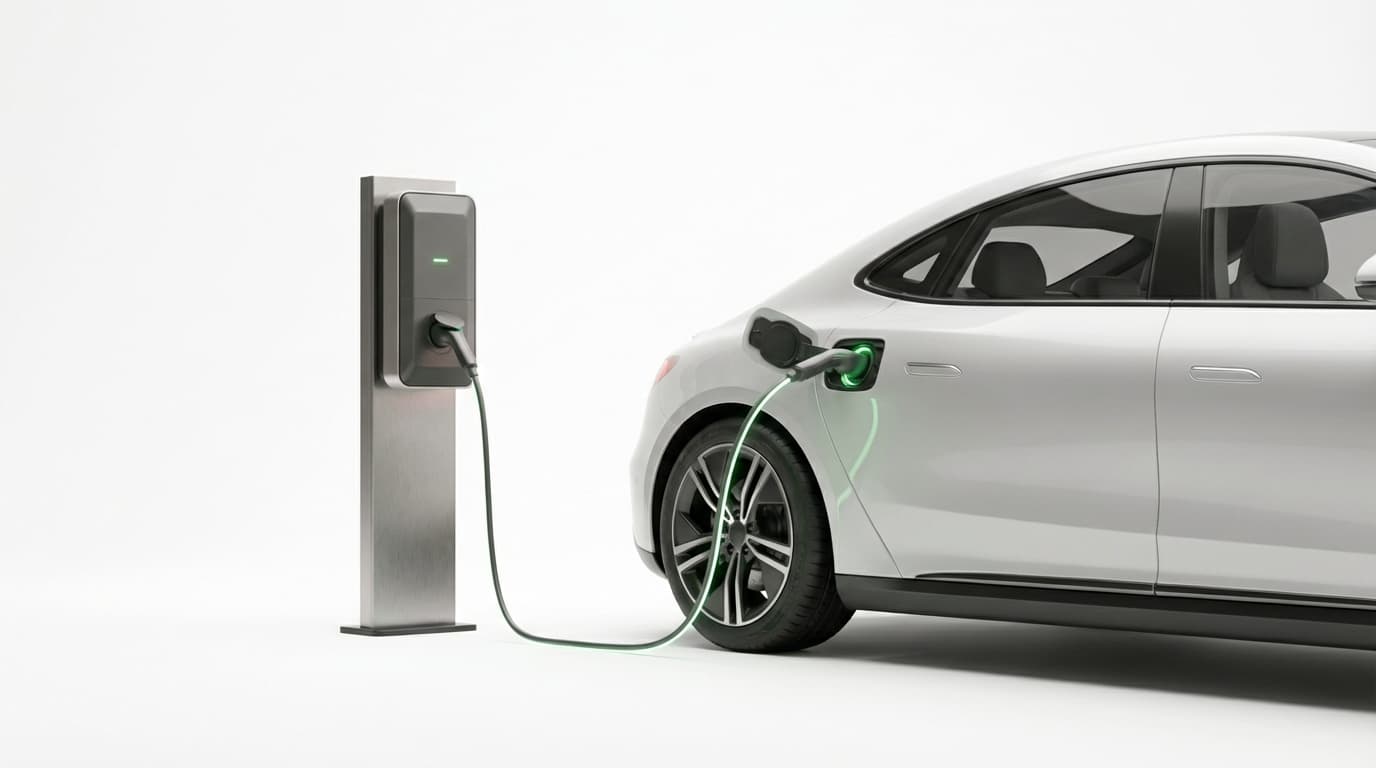

Sustainability in charging hardware is usually discussed in terms of the electricity flowing through it. That matters, but it is not the part manufacturers control. What we control is the object itself: what it is made from, how long it lasts and what happens to it at the end.
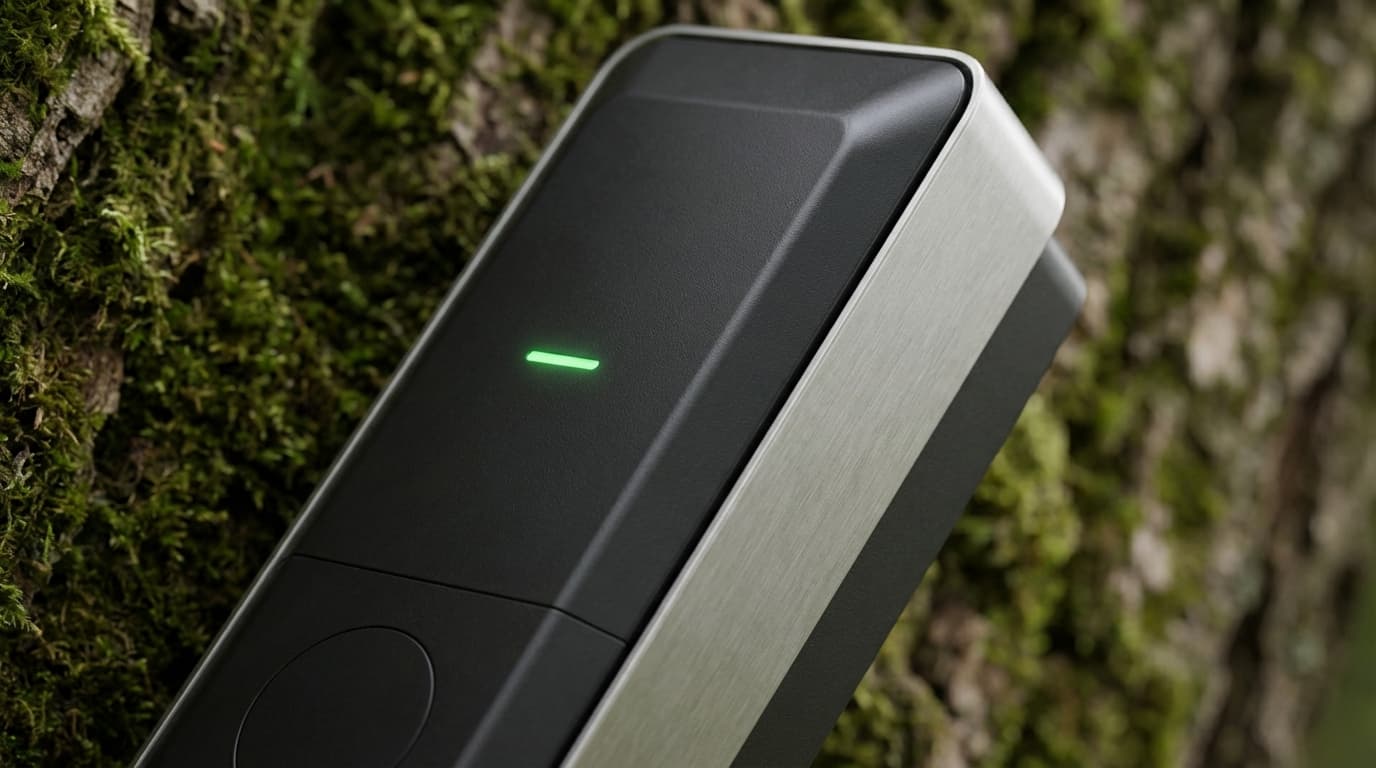
A charger is mostly aluminium, copper and polymer. Aluminium recycles indefinitely with a fraction of the energy of primary smelting, which is why the MAXERO housing is a single extrusion rather than an assembly of moulded panels. Fewer parts, fewer fasteners, and a casing that can be separated cleanly at end of life.
Longevity does more than material choice ever will. Every year a unit stays in service is a year that its embodied carbon keeps getting amortised. Sealed electronics, a replaceable cable assembly and a serviceable contactor mean the expensive part of the product outlives the parts that wear.
The last piece is honesty about scheduling. Charging on a grid running at 70 grams of CO₂ per kilowatt-hour instead of 300 is the single biggest lever available to a driver, and it costs nothing but patience. Our units read the published carbon intensity forecast and shift the session accordingly, unless you tell them not to.
Connect with us for innovative charging solutions.