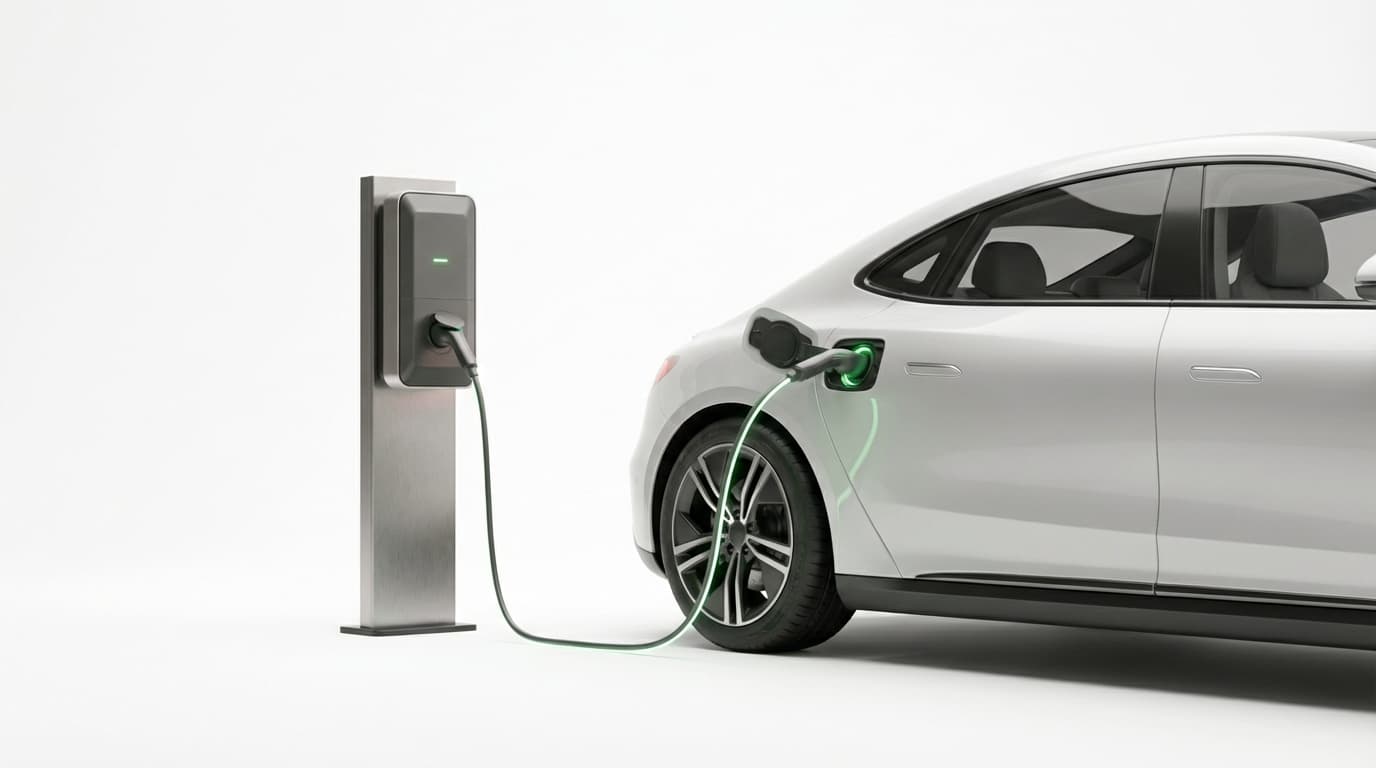


For most of the last decade, charging an electric car meant planning around the charger rather than the journey. Hardware was built to a specification sheet, not to a routine, and the result was a category of product people tolerated instead of enjoyed.
That is changing quickly. Power electronics have become small enough to disappear into a wall-mounted housing, and the intelligence that used to live in a utility cabinet now sits on the unit itself. A charger can negotiate directly with the vehicle, read the state of the building it is attached to, and decide how much current it can safely draw, second by second.
The practical effect is that a home installation no longer requires a supply upgrade in most cases. Dynamic load balancing lets a 22 kW unit behave like a 3 kW one during the evening peak, then take everything available once the house goes quiet. Nobody has to think about it.
What comes next is less about raw speed and more about coordination. When enough vehicles charge on a shared network, the network itself becomes a form of storage: capable of absorbing surplus generation on a windy night and easing off when the grid is strained. Getting there depends on hardware that is honest about what it is doing, and on software that makes the whole thing legible to the person paying the bill.

Connect with us for innovative charging solutions.