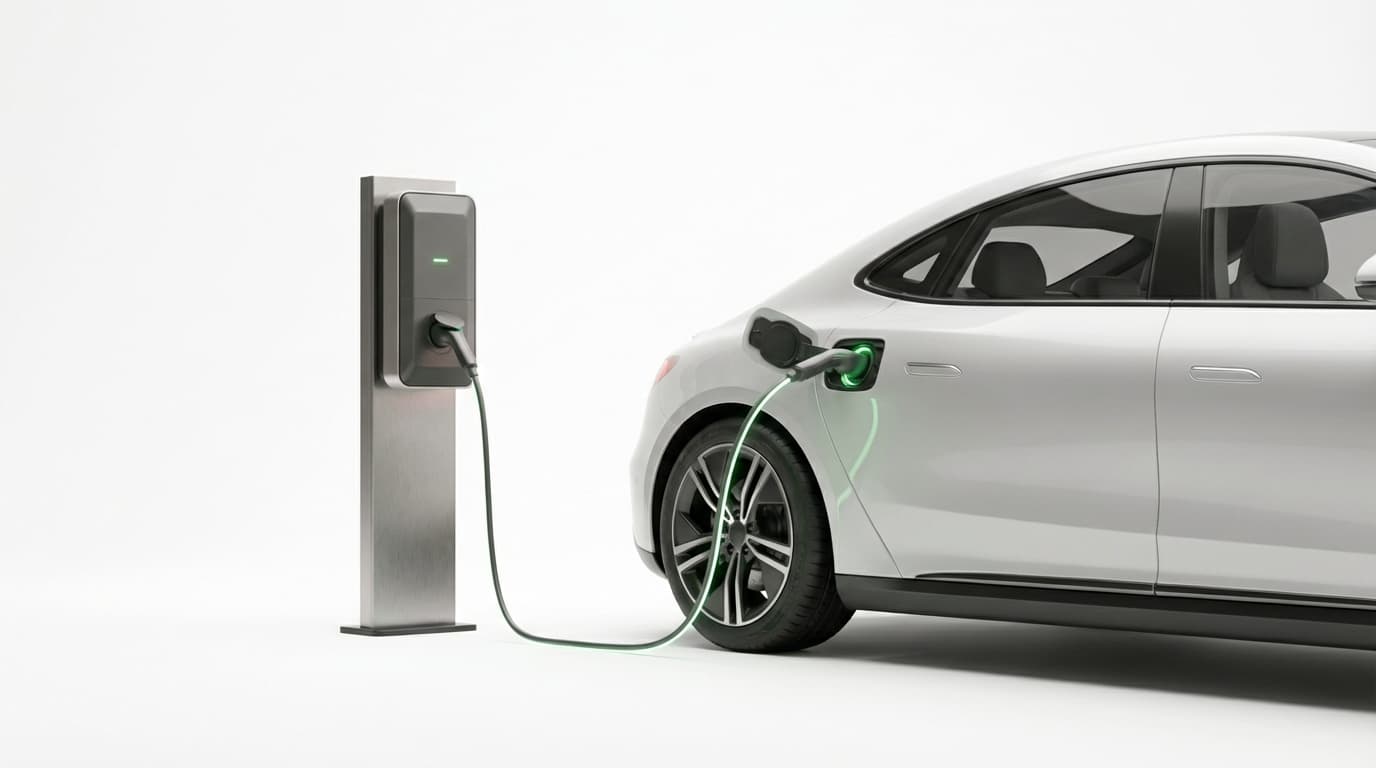

Three shifts are reshaping how charging hardware gets specified. None of them is about peak power, which is where most of the marketing still points.
The first is bidirectional capability. A vehicle parked for fourteen hours a day is a battery doing nothing, and the regulatory groundwork for letting it feed a building is now in place across most of Europe. The hardware requirement is modest; the commercial arrangement around it is the hard part.
The second is metering that stands up in court. Billing a tenant, an employee or a fleet driver for electricity means the meter inside the charger has to be certified, tamper-evident and readable by someone who was not in the room. Units without it are quietly being designed out of commercial tenders.
The third is longevity. A charger installed today should still be receiving firmware in 2036, which puts real constraints on the processor, the memory and the connectivity module chosen at the design stage. It is an unglamorous discipline, and it is the one that separates products that age well from products that get replaced.

Connect with us for innovative charging solutions.